
Infidelity in marriage is considered to be one of the top reasons for divorce or separation. For many spouses, it is an immediate marital deal breaker. “You cheat, I’m done”. It is typically linked directly to a spouse having a sexual encounter with another person though we will discuss much more than this. In a mass majority of marriages, they are considered “closed” (meaning 2 spouses no one else). On the other hand, “open” marriages, infidelity has differing meanings. For this blog post, we will focus our attention primarily on the typical (“closed”) marriage.
What is infidelity? The definition may seem pretty obvious to most yet it has a broad range of meanings. Within this broad range creates much confusion, misunderstandings, and overall a broad range of differing perspectives and attitudes. We will discuss the what, the why, and the how to process the discovery, recovery, and healing in the marriage.
Defining Infidelity
Starting with the dictionary definition, infidelity in marriage is
- Being unfaithful to your spouse by engaging in a romantic or sexual relationship with someone other than one’s husband, wife, or partner
- Engaging in a romantic, emotional relationship with another person (most commonly of the opposite sex) outside of the marital bond
- Being unfaithful to a moral obligation
- Without fidelity or void of fidelity
Other terms related to infidelity include cheating, having an affair, being unfaithful, adultery, extramarital sex, and betrayal. From a faith-based perspective, infidelity is strongly linked to adultery (defined as a sexual act with someone other than the spouse). Many would argue adultery is the only grounds for divorce while others consider an all-encompassing fidelity to one’s spouse with further clarity of roles and responsibilities in the marriage. Further, it is a covenant between the spouses and God.
While there is extensive discussions about affairs as part of infidelity, we need to better understand a broader picture. With that in mind, we need to look at the relationship as a whole. Thus, to help give clarity, let’s also define fidelity.
Fidelity
- Faithfulness to obligations, duties, or observances
- The condition or behavior of engaging in sex only with one’s spouse
- Devotion to duties; loyal
- Following an established code of conduct
- Maintaining integrity in unity as “one flesh”
Throughout the years of providing counseling with couples, we have heard many spouses give their definitions, reasons, and perspectives about infidelity, affairs, and cheating. This brings much pain, heartache and conflicts yet it starts much sooner and in the heart. To help clarify, let’s look at the different types and their respective meanings.
Infidelity Types and Their Meaning
Physical – The act of touching, gesturing, flirting with, in an erotic or romantic manner.
Sexual – The act of coitus, the touching of another’s genitalia for arousal and intercourse
Emotional – Engaging in intimate conversation with another of the opposite sex; seeking to gain romantic favor, acceptance or approval; sharing secretive information of yourself to another; confiding private, personal information which may apply to one’s marital relationship
Digital/Media – The solo viewing or reading of pornography, romance novels, soap operas, or movies/videos for the purpose of emotional, erotic, or romantic pleasure or fulfillment. Sexting, though digital, may be seen as emotional or physical infidelity as well
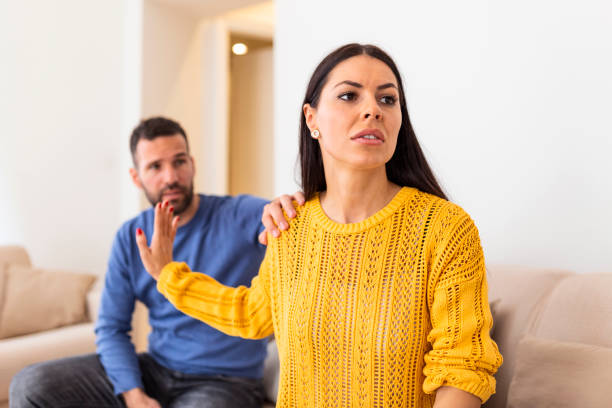 Stonewalling – The “silent treatment”, withholding affection, intimacy or interaction whether intentional or by lifestyle (or work) decisions. The act of placating or patronizing one’s spouse rooted in contempt. This is also the lack of fidelity in fulfilling one’s marital duty of intimacy
Causes (of either spouse)
When it comes to causes, this is a bit more complex. Spouses come to the marriage with great anticipation and expectation. Each one has a childhood, relationship history, history of learning, memories, experiences, and met or unmet needs. As people, we have the need to love and be loved, be accepted, heard, understood, valued, appreciated, and respected. When any one or several of these needs are missing, tainted or skewed, or inappropriately met, it can leave mental and emotional scars that need healing. Listed below are various causes that may be pre-existing, tendencies, occur quickly, or ones that grow over time.
- Unmet expectations or needs
- Lack of satisfaction (physical, sexual, emotional, relational)
- History of sexual trauma or abuse
- Lack of libido
- Loneliness

- Rejection
- Poor impulse control
- Unresolved conflict in the marriage
- Lack of honest, genuine, fair, and interactive communication
- Lack of love or respect
- Poor self-esteem or feeling of worthiness
- Lack of positive invitation or responsiveness to intimacy
- Poor or skewed boundaries
- Boredom or lack of passion for spouse

 With each of these causes comes a perspective by each spouse as to their own interpretation of intent and behavior. Perspectives may vary broadly yet each spouse has his or her own lens by which they look. This lens in what we may call our internal worldview. It’s how we view the world, others, and our interaction r relationships with them. Further, it includes how we view relationships that matter most, our thoughts, feelings, actions, values, and morals that shape this worldview. Be mindful of what shapes your worldview.
Reactions to infidelity by both spouses
Shock, denial, fear, shame, insecurity, guilt, jealousy, anger, rage, disbelief, and sense of betrayal are common reactions to discovering an affair. Along with many feelings that may arise, the behavior towards the spouse who had the affair varies. There may be extremes from yelling to silence; breaking stuff to ignoring him/her; denial to moving out; and frantic pleas to venomous criticism. Each of these are reflective of internal pain, hurt and betrayal. Conversely, as to when a spouse perceives being stonewalled, the response may also vary. For example, he/she may react with “what did I do wrong”, disbelief, anger, sarcasm, criticism, nagging, self-loathing, or drifting away (physically, emotionally or relationally) from their spouse. Further, the instigating spouse who was “cheating” or stonewalling may deny their actions or seek to justify their actions.
Recovery from Infidelity
After the discovery of infidelity is made, acknowledge the truth of it. Not all affairs are “caught” by the discovering spouse. There are times when a spouse will “come clean” about their affair. However it is revealed, recovering from infidelity requires that there is admitting of brokenness in the relationship.
- Acknowledge your current emotional, mental state
- Pause and regroup before making any rash decisions
- Clear your mind
- Seek help from a trusted and objective spiritual leader, mentor or counselor
- Identify your part, role in the relationship
- Present your findings to the offending spouse with love
- Seek open, honest communication with your spouse
- Identify relationship issues
- Be patient in the process
- Seek to heal and rebuild trust
Getting Counseling Help
You are not alone in what you are experiencing. Addressing and working out the infidelity in the marriage is difficult. Recovery and healing takes time. This is where professional help may help you walk through this process together. You’ll learn more about each other, rebuild trust, and develop a plan of action in moving forward. Sometimes, your spouse may not want to come with you to counseling. That’s okay. You may come for you…to process your thoughts, feelings, actions and attitude with your counselor. This helps you to better sort out everything going on in your world as well as next steps.
Learn more about our marriage counseling here
To ask questions or set up an appointment,
call us at 520-292-9750 or by email jo**@************on.com